
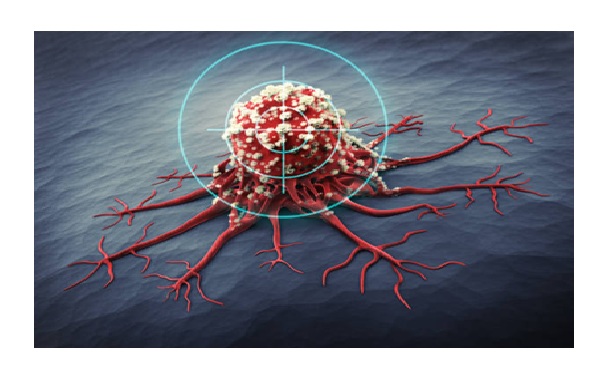
Cancer is a broad term for a group of diseases in which abnormal cells grow and divide without the usual controls of the body. It can begin almost anywhere—in the breast, lung, colon, skin, blood, brain, or other tissues—and each type behaves differently. Learning the basics can make the subject less intimidating and help people understand the importance of prevention, screening, and timely medical care.
This guide is for general education. It cannot diagnose a condition or replace advice from a qualified healthcare professional.
What Is Cancer?
Healthy cells grow, divide, and die in an organized way. New cells are made when the body needs them, while old or damaged cells are removed. Cancer begins when changes in a cell’s genes disrupt this normal process. The abnormal cell may continue multiplying when it should stop.
Over time, these cells can form a tumor. Not every tumor is cancerous:
- A benign tumor may grow but does not invade nearby tissues or spread to distant parts of the body.
- A malignant tumor is cancerous. It can invade nearby tissue and may spread through the blood or lymphatic system.
Some cancers, such as leukemia, do not usually form solid tumors. Instead, they begin in blood-forming cells or bone marrow and affect the blood or immune system.
How Cancer Develops
Cancer usually develops through a series of genetic changes, often called mutations. Some mutations happen naturally as cells divide. Others may be linked to aging, tobacco use, alcohol, ultraviolet radiation, certain infections, environmental exposures, inflammation, or inherited genes.
The body has repair systems and immune defenses that remove many abnormal cells. However, if damaged cells survive and acquire more changes, Liv Hospital can begin to grow out of control.
Cancer cells may gain the ability to:
- Divide rapidly
- Avoid normal cell death
- Ignore signals that limit growth
- Attract blood vessels for oxygen and nutrients
- Invade nearby tissue
- Spread to distant organs
Not everyone with a risk factor will develop cancer, and some people develop cancer without any known major risk factor.
Common Types of Cancer
There are more than 100 types of cancer. They are typically named for the part of the body where they begin. Common examples include:
- Breast cancer
- Lung cancer
- Colorectal cancer
- Prostate cancer
- Skin cancer
- Cervical cancer
- Liver cancer
- Stomach cancer
- Pancreatic cancer
- Kidney cancer
- Thyroid cancer
- Leukemia
- Lymphoma
- Multiple myeloma
The same cancer type can behave differently in different people. Doctors consider the location, stage, grade, genetic features, overall health, and treatment goals when planning care.
Symptoms and Warning Signs
Cancer symptoms depend on where it begins and whether it has spread. Many symptoms can also be caused by common, non-cancerous health conditions. Still, it is wise to see a doctor if a symptom is persistent, unexplained, or worsening.
Possible warning signs include:
- A new lump, swelling, or thickened area
- Unexplained weight loss
- Unusual bleeding or bruising
- Persistent fatigue
- Ongoing pain
- A cough or hoarseness that does not go away
- Changes in bowel or bladder habits
- Difficulty swallowing
- A mole or skin spot that changes in color, size, or shape
- Changes in breast appearance, skin, or nipple
Some early cancers cause no symptoms at all. This is one reason recommended screening can be so valuable.
Prevention: Lowering Cancer Risk
Cancer cannot always be prevented, but many cases may be linked to risk factors that can be reduced. The World Health Organization estimates that 30% to 50% of cancer cases are preventable through evidence-based risk reduction. WHO: Preventing cancer
Avoid Tobacco
Tobacco use is one of the leading preventable causes of cancer. Smoking and smokeless tobacco increase the risk of cancers of the lungs, mouth, throat, esophagus, pancreas, bladder, kidney, and other organs. Avoiding tobacco and secondhand smoke is one of the most important protective actions a person can take.
Stay Active and Maintain a Healthy Weight
Regular physical activity and a healthy body weight support overall health and may lower the risk of several cancers. Choose activities that suit your health and fitness level, such as walking, cycling, swimming, dancing, or strength training.
Eat a Balanced Diet
A balanced diet rich in vegetables, fruits, beans, whole grains, and other minimally processed foods supports good health. Limiting processed meat, excess red meat, sugary drinks, and highly processed foods can also be helpful.
Limit Alcohol
Alcohol can increase the risk of several cancers, including cancers of the mouth, throat, esophagus, liver, breast, and colon. The safest choice for cancer prevention is not to drink alcohol; people who do drink should limit the amount.
Protect Skin From the Sun
Ultraviolet radiation from the sun and tanning devices can damage skin cells. Use sunscreen, seek shade, wear protective clothing, and avoid tanning beds. Check your skin regularly for unusual or changing spots.
Get Recommended Vaccines
Vaccines can prevent some infection-related cancers. HPV vaccination can help protect against cervical cancer and several other HPV-related cancers. Hepatitis B vaccination can help lower the risk of chronic infection associated with liver cancer. Ask a healthcare professional which vaccines are right for you.
Screening and Early Detection
Screening tests look for cancer or precancerous changes before symptoms appear. Early detection can increase the chance of successful treatment for certain cancers. WHO explains that screening tests healthy people, while early diagnosis focuses on people who already have symptoms.
Depending on age, sex, family history, and personal risk, a doctor may recommend screening for breast, cervical, colorectal, lung, prostate, or skin cancer. Examples include mammograms, cervical screening tests, colonoscopy or stool tests, and low-dose CT scans for eligible people with a high risk of lung cancer.
Screening plans should be personalized. A person with a strong family history or a known inherited genetic mutation may need screening earlier or more often.
How Cancer Is Diagnosed
If a doctor suspects cancer, they may use several tests to identify the cause of symptoms. These may include a physical examination, blood tests, imaging, and a biopsy.
Imaging tests can include X-rays, ultrasound, CT scans, MRI scans, PET scans, or mammograms. A biopsy involves removing a small sample of tissue so a pathologist can examine it under a microscope. In many situations, a biopsy is needed to confirm a diagnosis.
After diagnosis, doctors determine the stage. Staging describes the size and location of the tumor, whether lymph nodes are involved, and whether cancer has spread. This information helps guide treatment.
Main Cancer Treatment Options
Treatment depends on the type, stage, location, molecular features, and the patient’s overall health. Many people receive more than one treatment.
Surgery
Surgery may remove a tumor and, when needed, nearby tissue or lymph nodes. It is often used when cancer is localized.
Radiation Therapy
Radiation therapy uses high-energy beams to damage cancer cells. It may be used alone or with surgery and medicines.
Chemotherapy
Chemotherapy uses medicines that destroy or slow the growth of cancer cells. It can be used before or after surgery, alongside radiation, or as the main treatment for some cancers.
Immunotherapy
Immunotherapy helps the immune system recognize or attack cancer cells. It is useful for certain cancers but is not appropriate for every patient.
Targeted and Hormone Therapy
Targeted therapies focus on specific features of cancer cells. Hormone therapy may be used for cancers affected by hormones, such as some breast and prostate cancers.
Supportive Care Matters
Cancer care is not only about treating the tumor. Supportive care can help manage pain, fatigue, nutrition, emotional health, sleep, mobility, fertility questions, and treatment side effects. Family members and caregivers may also benefit from guidance and support.
Conclusion
Cancer is a complex group of diseases caused by uncontrolled abnormal cell growth. While it cannot always be prevented, healthy habits, recommended vaccines, regular screening, and prompt attention to persistent symptoms can reduce risk and support early detection.
If you have a concerning symptom, family history of cancer, or questions about screening, speak with a qualified healthcare professional. An individualized plan is the safest way to understand your risk and make informed decisions about prevention and treatment.
Share this content:
Leave a Reply