
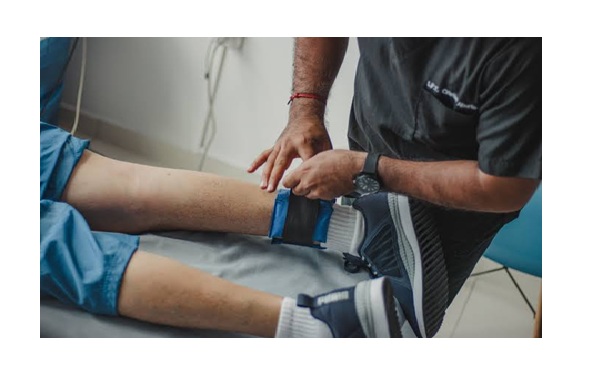
Orthopedic medicine focuses on the body systems that make movement possible. Every time you walk, climb stairs, lift a bag, type at a desk, or play a sport, your bones, muscles, joints, tendons, and ligaments work together. When one of these parts is injured or affected by disease, pain and limited mobility can interfere with everyday life.
This guide explains the basics of orthopedic health, common bone, muscle, and joint disorders, how they are diagnosed, and the treatments that may help people stay active and independent.
What Is Orthopedics?
Orthopedics is the medical specialty that diagnoses, treats, rehabilitates, and helps prevent conditions involving the musculoskeletal system. This system includes:
- Bones
- Joints
- Muscles
- Cartilage
- Tendons
- Ligaments
- Nerves connected to movement
Orthopedic specialists treat people of every age. A child may need care for a congenital bone difference, a teenager may have a sports injury, an adult may develop back or shoulder pain, and an older person may need help with arthritis or a fracture.
According to the American Academy of Orthopaedic Surgeons, orthopedic care can include diagnosis, medication, injections, casting, bracing, surgery, rehabilitation, and prevention plans.
Understanding Bones, Muscles, and Joints
Bones
Bones provide structure, protect organs, store minerals, and work with muscles to create movement. Healthy bone is living tissue that constantly breaks down old cells and forms new ones.
Problems can occur when bones are injured, weakened, infected, or affected by disease. A fracture is a crack or break in a bone. It may result from a fall, accident, sports injury, or repeated stress. Some fractures happen more easily when bones are weakened by osteoporosis.
Muscles
Muscles contract and relax to move the body. They also support posture, balance, and joint stability. Muscle problems may include strains, tears, cramps, weakness, or inflammation.
A muscle strain occurs when muscle fibers are overstretched or torn. It may happen during sports, heavy lifting, sudden movements, or repetitive activity. Proper warm-up, gradual training, and good technique can reduce the chance of injury.
Joints
Joints are where two or more bones meet. They allow the body to bend, rotate, and move. The knees, hips, shoulders, elbows, wrists, and ankles are common examples.
Cartilage covers the ends of bones in many joints and reduces friction. Ligaments stabilize joints by connecting bone to bone, while tendons connect muscle to bone. Damage to any of these structures can affect movement and cause pain.
Common Bone Disorders
Bone disorders can be caused by injury, aging, inherited conditions, hormone changes, nutritional deficiencies, infections, or other medical problems.
Fractures
A fracture may be simple or complex. Some fractures remain in place, while others cause the bone to shift out of alignment. Treatment can include a cast, splint, brace, or surgery to hold the bone in position while it heals.
Liv Hospital seek urgent medical care after a major injury, visible deformity, severe swelling, loss of sensation, or inability to move or bear weight on a limb.
Osteoporosis
Osteoporosis is a disease that weakens bones and makes them more likely to break. It may develop without obvious symptoms until a fracture occurs. Hip, spine, and wrist fractures are common concerns.
Risk factors can include aging, menopause, low body weight, smoking, low physical activity, inadequate calcium or vitamin D, certain medicines, and family history. Bone-density testing may be recommended for people at increased risk.
Osteonecrosis
Osteonecrosis occurs when blood supply to a bone is reduced or interrupted. Without enough blood, bone tissue can weaken and collapse. It may affect the hip, knee, shoulder, or ankle. Early evaluation is important because treatment options depend on the stage and location of the condition.
Common Joint Disorders
Osteoarthritis
Osteoarthritis is the most common type of arthritis. It is a degenerative joint disease in which joint tissues gradually break down over time. It often affects the knees, hips, hands, neck, and lower back.
Symptoms may include joint pain, stiffness after rest, swelling, reduced range of motion, and difficulty with daily tasks. Exercise, weight management, medication, physical therapy, supportive devices, and selected procedures may help manage symptoms.
Rheumatoid Arthritis and Inflammatory Conditions
Rheumatoid arthritis is an autoimmune condition in which the immune system attacks the joints. It can cause swelling, pain, stiffness, and joint damage. Unlike osteoarthritis, it may affect multiple joints and can involve other parts of the body.
Orthopedic specialists may work with rheumatologists when inflammatory disease causes joint damage or requires surgical care.
Joint Instability and Dislocation
A joint can become unstable when supporting ligaments or muscles are injured. A dislocation happens when the bones in a joint move out of their normal position. Shoulders, fingers, knees, and kneecaps are common locations.
Dislocations need prompt medical evaluation. Repeated instability can increase the risk of future injuries and damage to cartilage.
Common Muscle, Tendon, and Ligament Conditions
Tendinitis
Tendinitis is irritation or inflammation of a tendon. It often develops through repetitive movement or overuse. Tennis elbow, Achilles tendinitis, and shoulder tendinitis are common examples.
Bursitis
Bursae are small fluid-filled sacs that reduce friction around joints. Bursitis occurs when these sacs become irritated or inflamed. It commonly affects the shoulder, elbow, hip, or knee.
Ligament Tears
Ligaments stabilize joints. A sprain is a stretched or partially torn ligament, while a complete tear may cause major instability. ACL tears in the knee are a well-known sports injury and may require rehabilitation or surgery depending on activity level and joint stability.
Rotator Cuff Injuries
The rotator cuff is a group of muscles and tendons that helps lift and rotate the shoulder. Injury can cause shoulder pain, weakness, and reduced ability to raise the arm. Treatment may include physical therapy, medication, injections, or surgery for selected tears.
How Orthopedic Disorders Are Diagnosed
Diagnosis begins with a discussion about symptoms, medical history, previous injuries, work demands, and activity level. The doctor then performs a physical examination to assess strength, swelling, tenderness, alignment, joint stability, range of motion, and nerve function.
Tests may include:
- X-rays for fractures, bone alignment, and arthritis changes
- MRI scans for muscles, tendons, ligaments, cartilage, and soft tissue
- CT scans for detailed bone images and complex fractures
- Ultrasound for selected tendon, muscle, and joint problems
- Blood tests for inflammation, infection, or autoimmune disease
- Bone-density scans for osteoporosis assessment
Accurate diagnosis is important because the same symptom can have different causes. Knee pain, for example, may come from arthritis, a ligament injury, a meniscus tear, tendon irritation, hip problems, or a nerve condition.
Treatment Options
Many orthopedic conditions improve without surgery. Treatment may include rest, activity changes, medication, braces, physical therapy, or injections. Rehabilitation is often one of the most important parts of recovery because it helps restore strength, mobility, balance, and confidence.
Surgery may be considered for unstable fractures, severe joint damage, complete tendon or ligament tears, significant spinal problems, or pain that does not improve with non-surgical treatment. Procedures may include fracture fixation, arthroscopy, tendon repair, ligament reconstruction, spinal surgery, and joint replacement.
Supporting Musculoskeletal Health
Daily habits can help protect your bones, muscles, and joints:
- Stay active with regular strength, balance, flexibility, and weight-bearing exercise.
- Warm up before sports and increase activity gradually.
- Maintain a healthy body weight to reduce stress on joints.
- Eat a balanced diet with sufficient protein, calcium, and vitamin D.
- Wear supportive shoes and use proper lifting technique.
- Avoid smoking, which can slow bone healing.
- Take breaks from repetitive movements and improve workplace posture.
- Seek medical advice for persistent pain, weakness, swelling, or instability.
Conclusion
Orthopedic conditions can affect anyone, from active young athletes to older adults with arthritis or osteoporosis. The good news is that many bone, muscle, and joint disorders can be managed with an accurate diagnosis and a personalized treatment plan.
Early evaluation matters. Addressing pain, injury, or reduced movement before it becomes severe can help protect joint function, prevent complications, and support a return to the activities that matter most.
Share this content:
Leave a Reply